
Dinosaur Behaviour
WEBINAR
19th March 2026 19:00 GMT
by Michael Benton (University of Bristol)
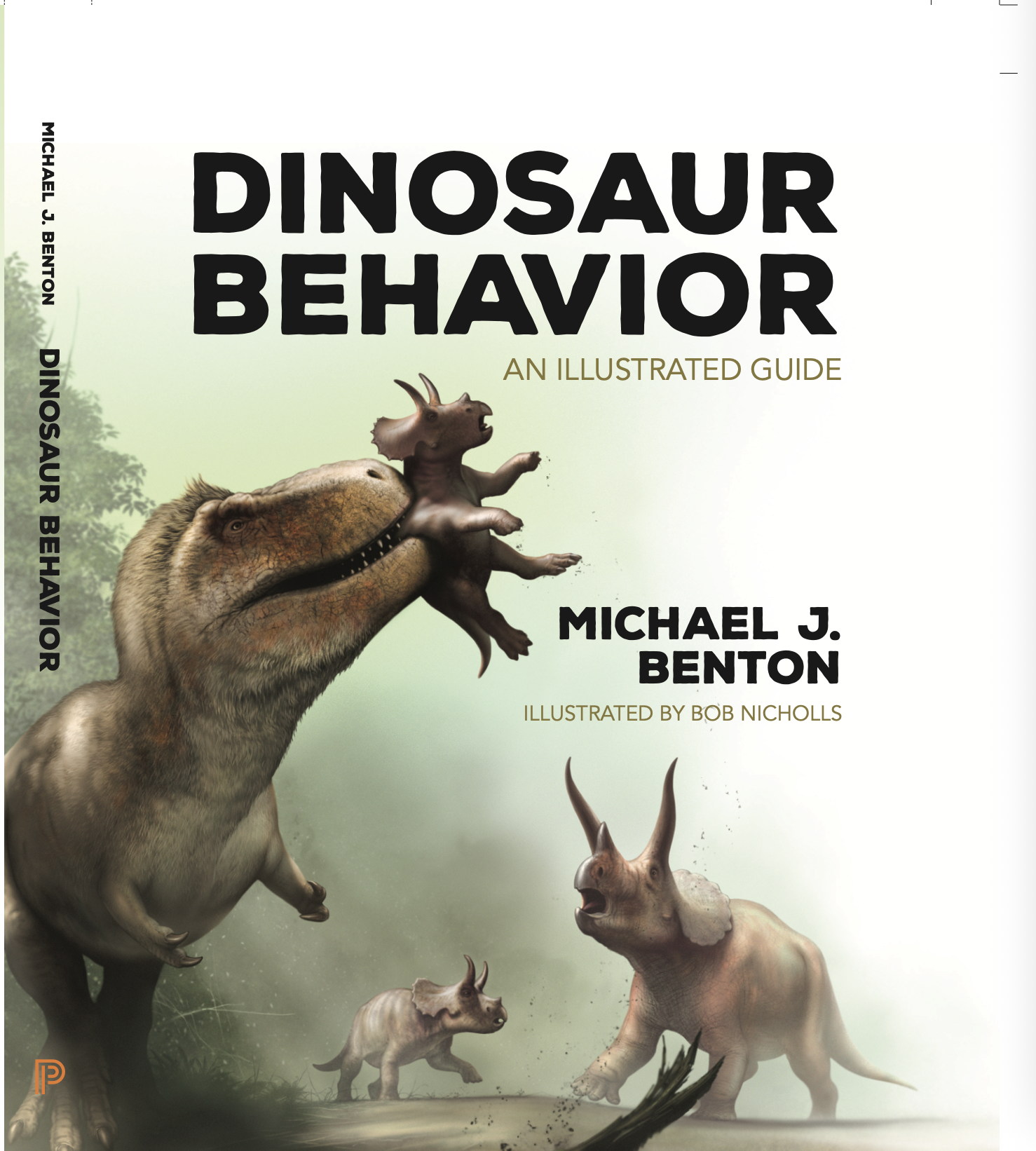
Abstract
How can we know how dinosaurs behaved without a time machine? Can we ever work out what they looked like, how they fed, ran, sensed their environments, and communicated with each other?
Until recently, much discussion of dinosaur habits was entirely speculative. But in the last 30 years, remarkable new fossils and remarkable new technologies have revealed unexpected information about dinosaur lifestyles.
For example, we can now work out the colour of dinosaurs, their bite forces, top speeds, and even how they cared for their young. Remarkable new fossil finds, such as dinosaur eggs with skeletons of the embryos inside from Patagonia and dinosaurs with feathers from China, provide remarkable new information.
Leading paleontologist Michael Benton explains how the study of dinosaurs has transformed into a true scientific discipline. New technologies have revealed secrets locked in prehistoric bones that no one could have previously predicted. We can now work out the force of dinosaurs' bites, their top speeds, and even how they cared for their young. CT scans of dinosaur skulls reveal their brains, nerves, and sensory systems, showing how they sensed the world and each other.
Michael will trace the development of the study of dinosaurs from its roots in antiquated natural history to an indisputably scientific field, and explain why, though extinct, dinosaurs are still very much a part of our world.

Biography
Michael J. Benton is Professor of Vertebrate Palaeontology at the University of Bristol and the author of Dinosaur Behavior; an Illustrated Guide (Princeton University Press). His many previous books include standard reference works, textbooks, and popular books on dinosaurs and the history of life. He was elected as Fellow of the Royal Society in 2018 for his scientific research, and awarded an OBE in 2021 for his work in science outreach and engagement.