Women in Geology
Indoor Meeting
15th November 2025 10.45GMT
Tempest Anderson Hall, The Yorkshire Museum, York
Held in partnership with the Yorkshire Philosophical Society
10.45 Welcome and Introduction – Prof. Deborah Smith OBE (YPS President) and David Harbourne (YSP Chair)
(YPS Chair)
11.00 Keynote lecture – Mary Anning and the Myth of the Lone Heroine Dr. Tori Herridge (University of Sheffield)
11.45 The Pioneers – Dr. Leanne Hughes and Dr. Laura Burrel-Garcia (British Geological Survey)
12.25 A short history of women in sedimentology . Prof. Cathy Hollis (University of Manchester)
13.05 LUNCH INTERVAL
14.30 Welcome back and YGS Business – Prof. Colin Waters (YGS President)
14.45 Women in Volcanology – who are we, who were we and how do we tell our hidden stories? Dr. Rebecca Williams (University of Hull)
15.25 A new sedimentary cycle: documentation of a rapid ‘anthropoclastic’ cycle. Dr. Amanda Owen (University of Glasgow)
16.05 Discussion and Q&A
16.30 Close
ABSTRACTS
Mary Anning and the Myth of the Lone Heroine
Dr. Tori Herridge, University of Sheffield
Mary Anning is quite rightly a legend, both in her own time and today. But she wasn’t the only woman pioneering palaeontology and geology in the 19th Century. She wasn’t even the only Mary! Right from the very start, scores of women have shaped the field, making discoveries, furthering ideas, and building the networks that helped Geology coalesce into a discipline, yet we so often present each one them as an anomaly: a lone heroine. This talk will take a rollocking ride through the stories of these early pioneers, aka “TrowelBlazers", and why it is important to challenge these lazy storytelling tropes — not just from a historical perspective, but for building a more equitable geoscience for the future.
The Pioneers
Dr. Leanne Hughes and Dr. Laura Burrel-Garcia, British Geological Survey, Keyworth
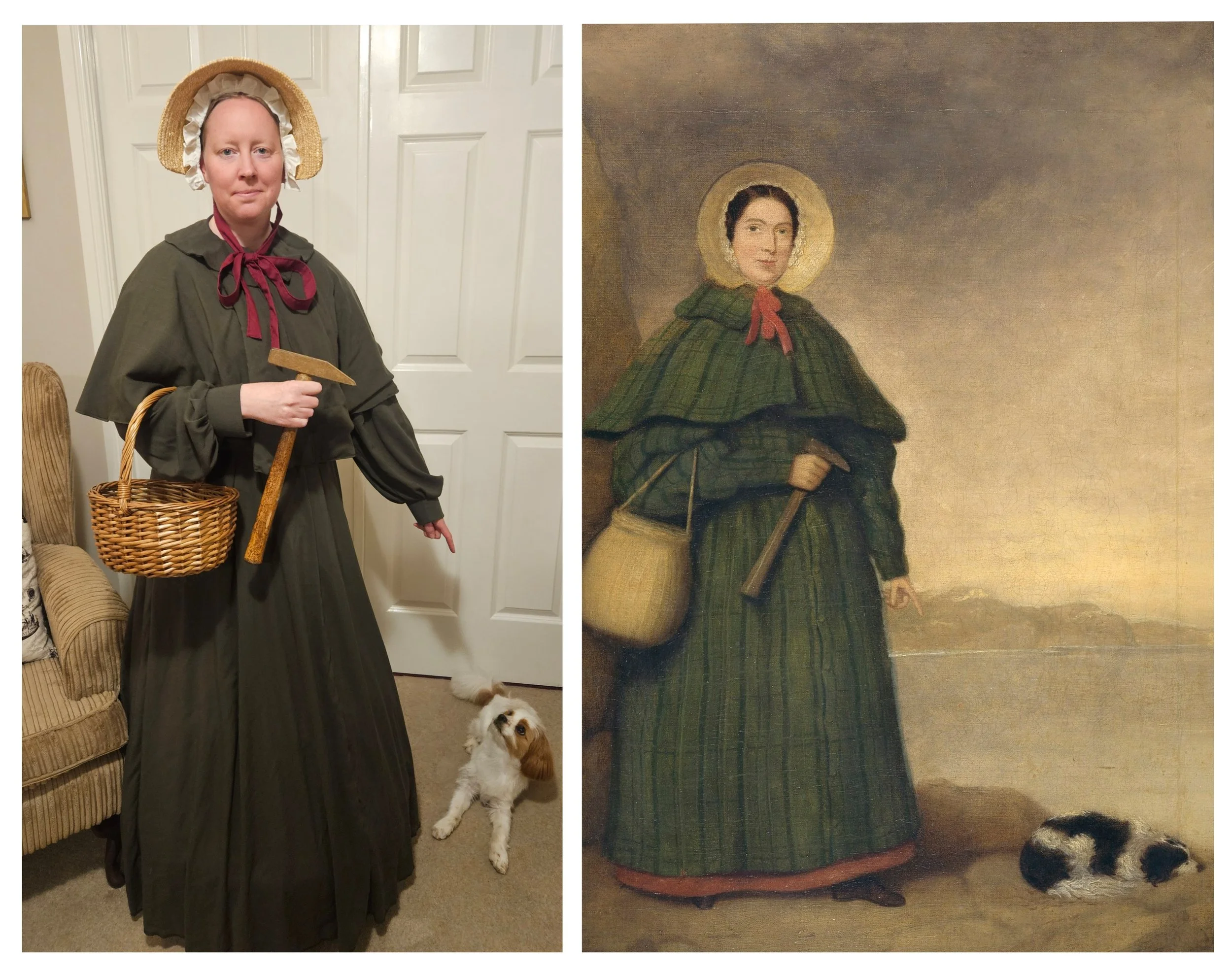
Discover the legacy of Mary Anning, the pioneering 19th-century fossil hunter whose discoveries transformed our understanding of prehistoric life. Despite her significant contributions, Anning, like many women in science, faced social and professional barriers that kept her achievements less well recognised during her lifetime. This talk explores Anning’s life and legacy, shedding light on the challenges and triumphs of women in geology from the 1500s to today. Join us as we delve into how these trailblazers broke ground both literally and figuratively laying the foundation for future generations.
A short history of women in sedimentology
Prof. Cathy Hollis, University of Manchester
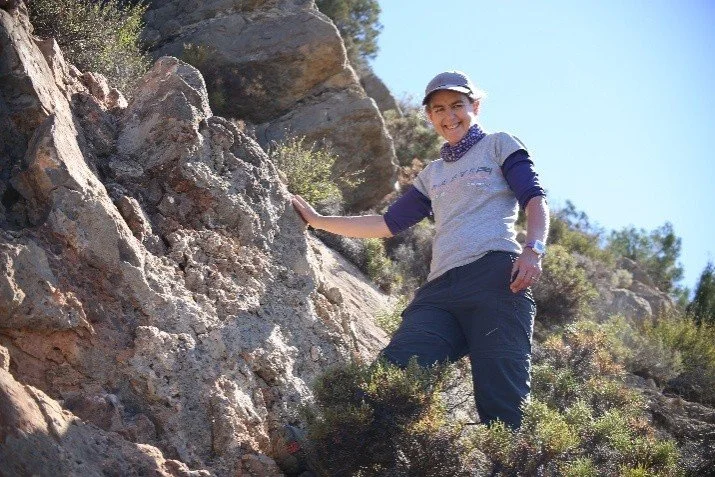
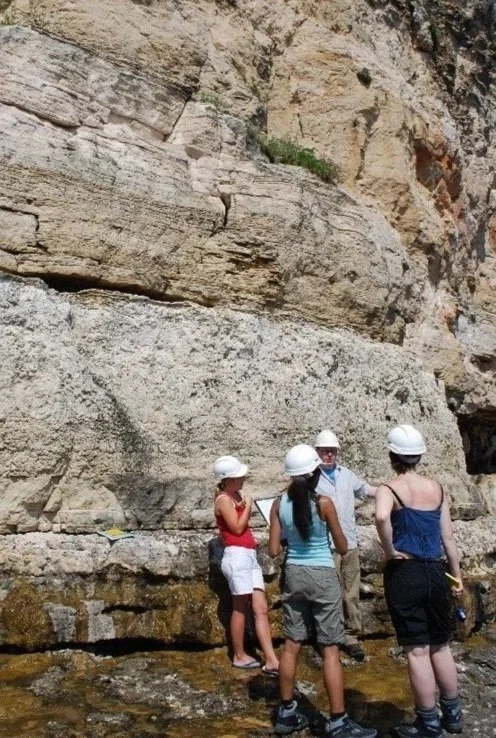
Sedimentology – the study of sediments, sedimentary processes and sedimentary rocks – has been critical to our understanding of Earth history since the concept of uniformitarianism was proposed. The work of Lyell, Hutton, Smith, Dolomieu and many others was critical to our earliest, foundational, understanding of sedimentary rocks. The introduction of the petrographic microscope by Sorby in 1850, coupled with a growing recognition of the importance of sedimentary rocks to palaeontology, advanced the discipline. However, it wasn’t until the 1930s that academic textbooks and journals focused on sedimentology were established. The discipline grew substantially from the mid-20th century onwards as a result of advances in geophysics, geochemical techniques and the growth of the oil and gas sector.
What is often overlooked is the contribution of women to our science. During the 20th century, women’s contributions to sedimentology were often unseen and have been poorly recorded. It was not until the 1980s, that women really came to the forefront of science, in research, teaching and within the petroleum industry. Today, there are more female professors of sedimentology than ever before, and women are taking a leading role in professional societies as well as the development of petroleum, CCS and geothermal projects. There is still some way to go to achieve parity, however. This talk will celebrate the achievements of a number of outstanding female sedimentologists and will take a personal view as to some of the reasons why it has taken so long for women to begin to achieve the recognition they deserve. Finally, it will also look to the next generation of sedimentologists and the opportunities and challenges they face.
Women in Volcanology – who are we, who were we and how do we tell our hidden
stories?
Dr Rebecca Williams, Reader in Volcanology, University of Hull
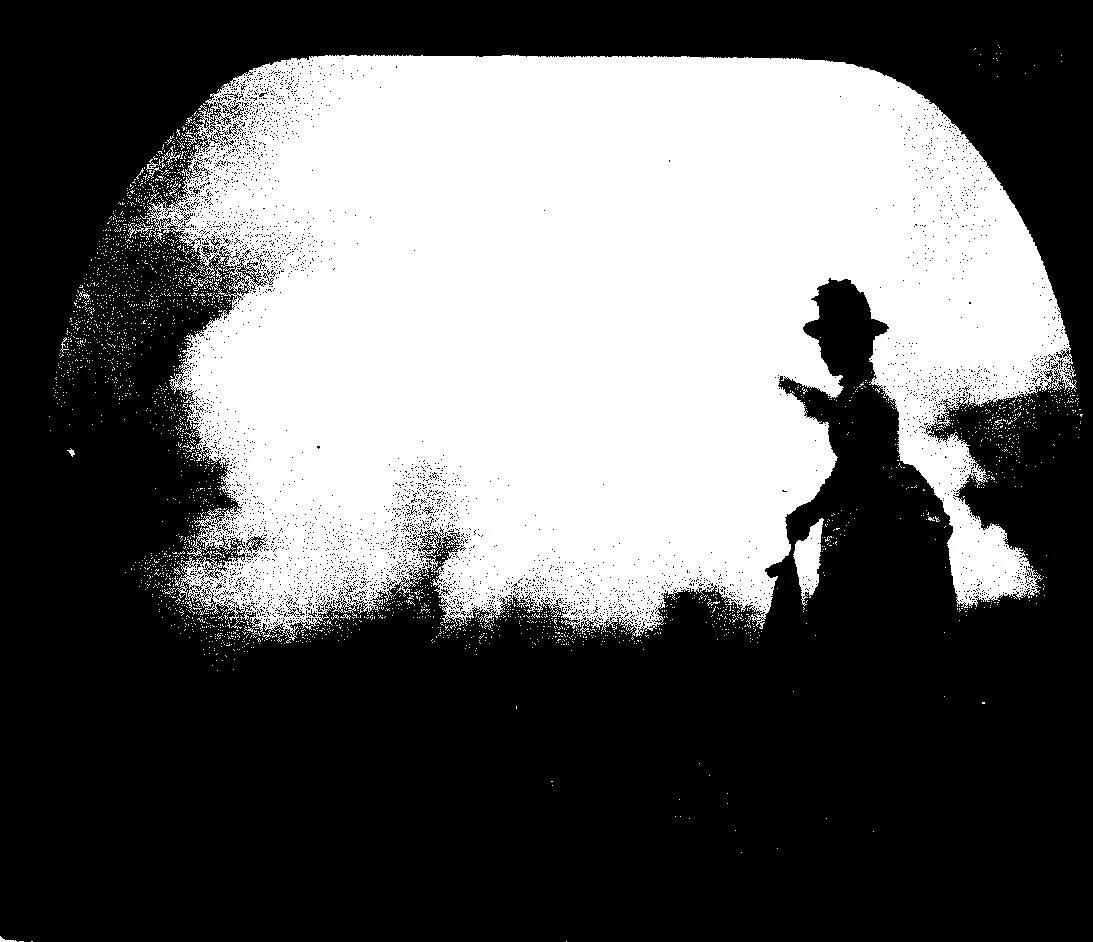
Volcanology, the study of magmatic rocks and volcanoes, is a thriving and growing science. It is becoming increasingly interdisciplinary, enveloping disciplines from the humanities to the physical sciences. With increasing numbers of people living within reach of a potential volcanic eruption, the discipline is becoming increasingly critical. But who is practising volcanology? Is the well-documented diversity crisis in geoscience reflected in volcano science?
This presentation presents findings from recent international studies exploring who the volcanology community is today. I reflect on statistics which suggest that whilst the community is diverse by several metrics, data on measures of prestige (e.g. memberships of international volcanology organisations, positions on volcanology committees, volcanology awards and lead-authorship on volcanology papers) suggests that gender discrimination is prevalent in the discipline, as well as discrimination related to ethnicity, sexual orientation, religion, physical ability and socio-economic background. To put this into context, and understand progress on equity, diversity and inclusion in volcanology, a historical perspective is taken.
This study finds that whilst there is a growing narrative of women in geology through history, women involved in volcanology in particular are missing from these historical narratives. What is the history of women in volcanology? Drawing from recent work attempting to reveal the hidden histories of local and indigenous geological knowledge in geological exploration in Africa, the challenges of uncovering these stories is considered. The presentation concludes by asking, who were the women of volcanology and how do we reveal their stories?
A new sedimentary cycle: documentation of a rapid ‘anthropoclastic’ cycle.
Dr. Amanda Owen, University of Glasgow
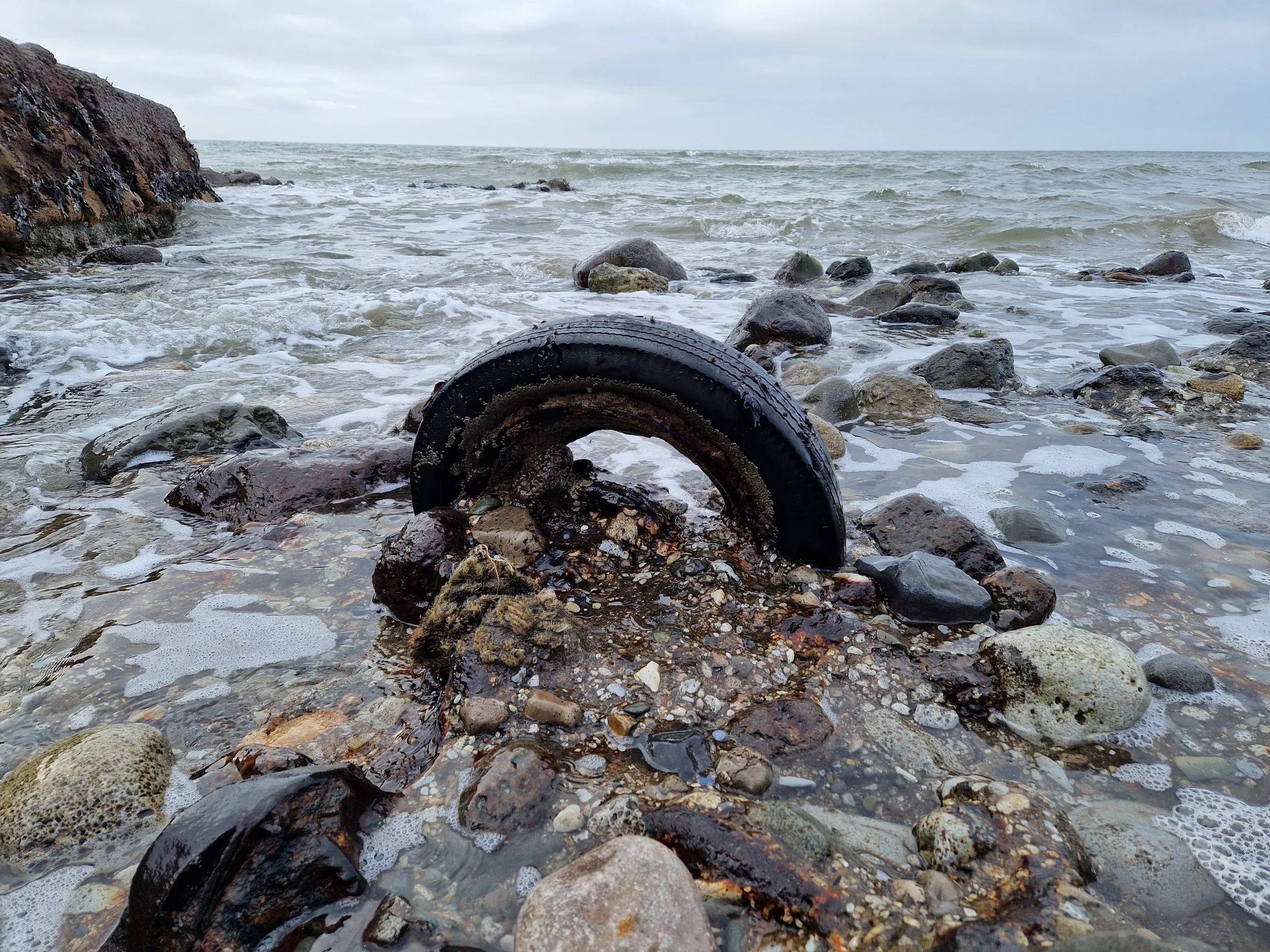
Recent works have shown how humans are now the main geomorphic agents on our planet, releasing and transporting vast quantities of natural material, which is now reportedly outpacing the rate at which natural systems are conveying sediments. Large quantities of natural material that has been excavated and transported by humans is deposited as waste on Earth’s surface. In addition, waste material is also produced when manufacturing anthropogenic geomaterials (e.g., slag, cement kiln dust). With such vast amounts of material appearing on our landscapes, as well as the generation of new sediment, earths natural sediment cycles are undoubtably being disturbed.
Derwent Howe (Cumbria, UK) was a site of steel making since around the start of the 20th century with production ceasing in the 1980’s. Large amounts (26,729,599 m3; 56 million tonnes) of steel slag was deposited as waste material at the foreshore, forming 3 extensive (maximum ~30m in height, 3km wide) cliffs of lithified material.
This talk will discuss how the interaction of marine processes with anthropogenic steel slag waste is creating a new, and extremely rapid (~35 years), ‘anthropoclastic’ rock cycle. Using sedimentary logging, facies analysis, clast analysis and SEM datasets, we demonstrate how humans are providing a sediment source that favours rapid lithification. Evidence for transportation, reworking, and deposition of the anthropogenic geomaterials by natural marine processes are discussed as well as mechanisms and drivers of the rapid lithification of the material. This talk will also present evidence for the rapid transformation of the coast at Derwent Howe from a ‘soft’ coast to a coast that has a rocky foreshore and cliff face.
The documentation of this process opens many questions relating to the potential challenges (e.g., implications for biodiversity and modification of marine processes to hard rock coastlines) and potential opportunities (including CCS potential of reworked steel slag sites and engineering of coastlines for protection against rising sea levels and increased coastal erosion) of a new sediment cycle.
Doors to the Tempest Anderson Hall will open at 10.15am
There is a fee, payable at the reception desk, for those wishing to visit the exhibits in the Yorkshire Museum. YPS members have free access.
There are no refreshment facilities provided within the museum and lecture theatre but there are many outlets within a short distance of the venue.